Urban Walks
Five walk around the city during Open House Lisboa 2026
The 15th edition of Open House Lisboa, titled ‘About Buildings and Food’, return in May with a handful of urban walks exploring the city’s foodscapes. From underground reservoirs to tinned sardines, and flour-dusted mills to secret greenhouses — join us to discover the winds that sustained Lisbon, the fountains that quenched its thirst and the industries that gave it flavour, as well as the communal gardens that are thriving today. The walks are led in Portuguese and no booking is required.
The Scale of the Invisible: The Aqueduct as the Territory’s Backbone
With the Águas Livres Aqueduct, water ceased to be a scarce resource and became a shared civic element. It fostered a “water culture”, reshaping hygiene and everyday life. Public fountains became key meeting points where social classes intersected and information circulated. This 58-kilometre infrastructure, including its monumental crossing of the Alcântara Valley, redefined Lisbon’s topography and urban expansion, altering cultural and social habits. By harnessing geography, it brought value to previously barren land and enabled the establishment of industries and workshops dependent on a steady water supply, influencing where the city grew and where investment flowed.
The aqueduct’s water also supported the spread of urban and peri-urban agriculture and sustained local markets. Without this engineered system, the city’s diet would have been constrained by its dry geography; with it, orchards flourished and fresh produce reached Lisbon’s tables.
Walk guided by Bárbara Sofia Bruno
Starting point Aqueduct, Calçada da Quintinha 6
End point São Pedro de Alcântara
The City is Something you Can Chew
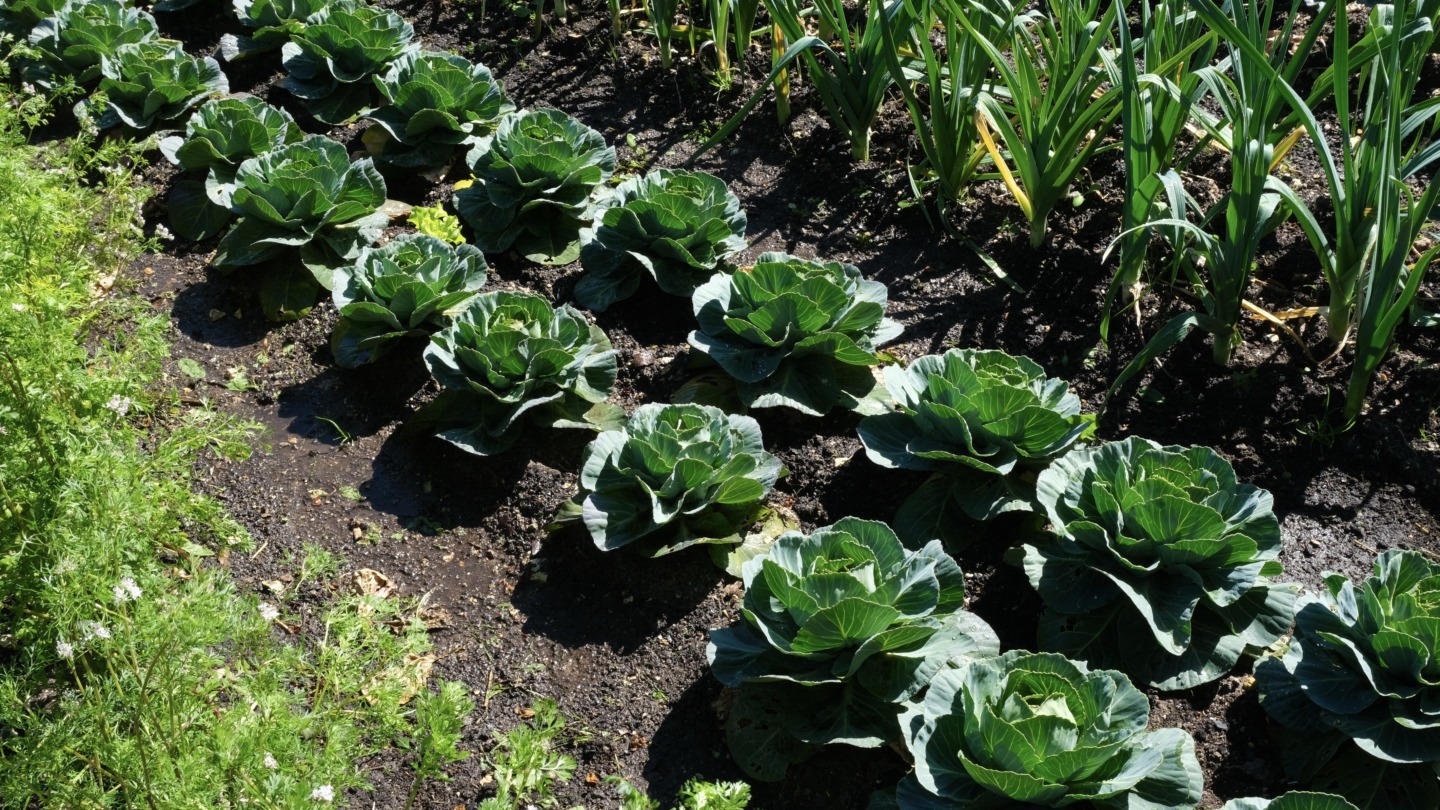
How do food systems shape geographies of proximity? This route begins with a simple, persistent intuition: architecture and food are both languages that organise life in the city. Urban gardens emerge as small laboratories for the future, where soil returns as both a political and sensory act. These fertile interstices interrupt the asphalt and restore the rhythm of the seasons. They are spaces of encounter, a form of social architecture, and small infrastructures of care where alternative ways of inhabiting the city are tested.
They generate collective work, bring together different hands, connect generations, and build relationships. This walk invites you to move through, reflect on, and taste the city differently: as a living organism, where each plot becomes a political, ecological, and aesthetic proposition.
Walk guided by Joana Lucas
Starting point Horta do Alto da Eira
End point Quinta do Ferro
A Sardine in the City
In Lisbon’s history, the presence of people is inseparable from that of the sardine. From the Roman Empire to the present day, this small fish has been caught, processed, consumed and celebrated both within and beyond the city.
Sardines were once essential to feeding the urban population and remain an export product embedded in global trade. This route follows key sites along Lisbon’s waterfront that tell this story: from Praça D. Luís to Cais do Sodré, from Rua do Arsenal to Rua Augusta, and on to Rua dos Bacalhoeiros. It is a story far from finished; one that continues to be reshaped every day.
Walk guided by Francisco Henriques
Starting point Praça D. Luís, by Mercado da Ribeira
End point Rua dos Bacalhoeiros, by Conserveira de Lisboa
Winds that Nurtured Lisbon
For centuries, windmills dotted Lisbon’s hills and outskirts, grinding the grain that sustained urban life. With the modernisation of milling systems (and later, with urban expansion) many were abandoned, transformed, or absorbed into the fabric of the growing city.
This route invites you to rediscover these traces: some reduced to ruins, others converted into homes, memory, or even political symbols. It offers a way to understand their role within historic supply networks. By following these discreet presences, we reflect — historically and archaeologically — on the rapid transformation of landscapes, the energy systems that sustain us, and the growing distance between the contemporary city and the resources that feed it.
Walk guided by Leonor Medeiros
Starting point Moinho do Penedo
End point Parque Urbano dos Moinhos de Santana
Carlos Mardel and the Water of Fountains
Martel Károly, the original name of the Hungarian architect born in Bratislava in 1695, left a lasting mark on Lisbon. Under his direction, a board of architects decided in 1747 that, upon reaching the city, the aqueduct should also serve as an element of urban ornament, structured through a network of fountains.
Mardel was responsible for giving form to this vision, with interventions stretching from Amoreiras to São Bento, from Rato to Rua Formosa. His work included fountains such as those of Esperança and São Pedro de Alcântara — the latter destroyed in the 1755 earthquake and never rebuilt. Carlos Mardel shaped both the most elegant presence of the aqueduct in Lisbon and one of the most defining elements of its urban landscape.
Walk guided by Joaquim Caetano
Starting point Mãe d’Água das Amoreiras
End point Chafariz da Esperança